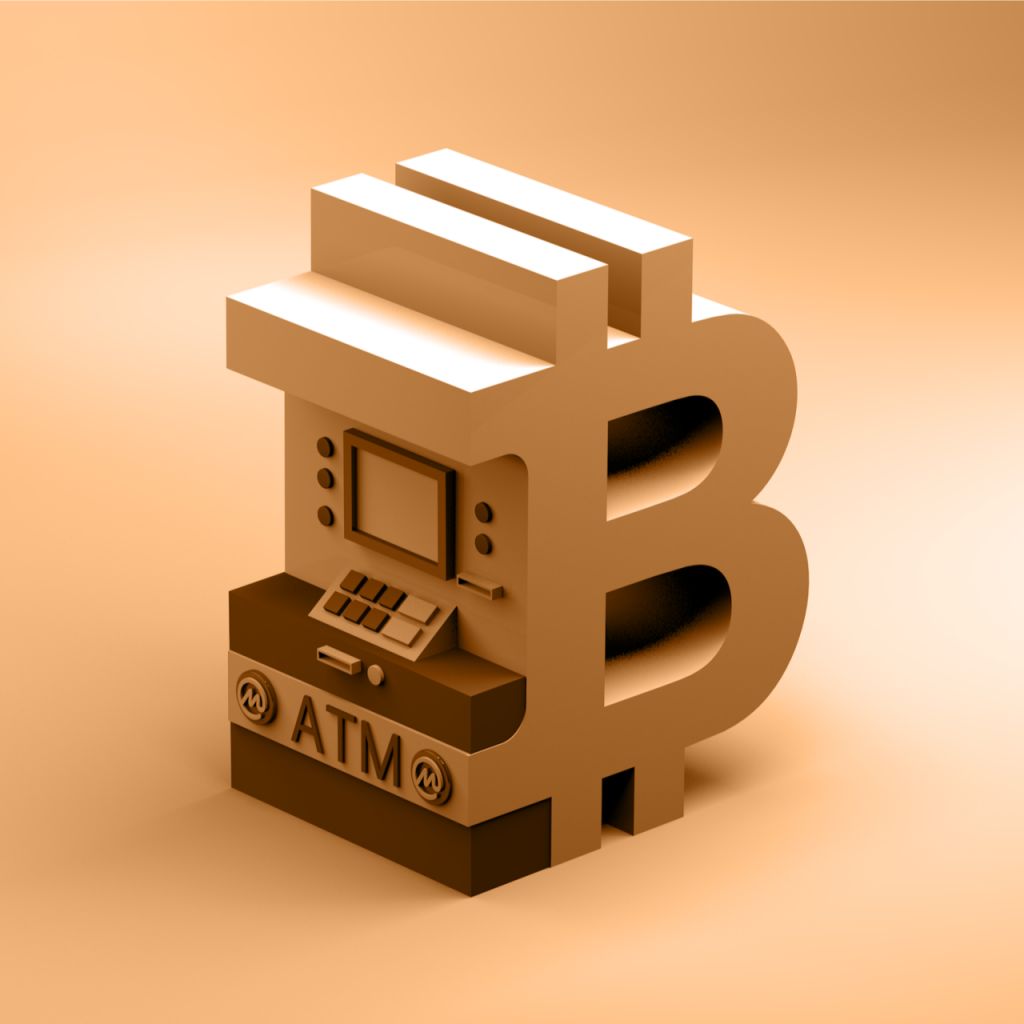
Bitcoin x ATM introduces a captivating fusion of technology and finance, where users can seamlessly convert their cash into digital currency. As Bitcoin continues to gain traction in the mainstream market, Bitcoin ATMs have emerged as convenient gateways for both novices and seasoned investors, allowing them to navigate the world of cryptocurrency with ease.
These ATMs have not only evolved over the years, showcasing advancements in technology and security, but they also provide essential services like buying and selling Bitcoin. With an ever-growing number of Bitcoin ATMs popping up globally, understanding their functionality and accessibility becomes increasingly important for anyone looking to join the cryptocurrency revolution.
Overview of Bitcoin ATMs
Bitcoin ATMs, also known as Bitcoin kiosks, enable users to buy and sell Bitcoin and other cryptocurrencies using cash or debit cards. They serve as a crucial bridge between the traditional financial system and the world of digital currency, facilitating easy access to cryptocurrencies for both novice and experienced users. The convenience and accessibility they offer have significantly contributed to the growing adoption of Bitcoin and other digital currencies.Bitcoin ATMs function through a user-friendly interface that typically involves scanning a QR code linked to a cryptocurrency wallet for the purchase or sale process.
These machines are equipped with a scanner, a printer, and a secure connection to the blockchain network, ensuring transactions are processed efficiently. Users can deposit cash or swipe their debit cards to purchase Bitcoin, which is transferred directly to their digital wallets. The evolution of Bitcoin ATMs since their inception in 2013 has seen a remarkable increase in their presence and functionality.
Evolution of Bitcoin ATMs
The first Bitcoin ATM was introduced in Vancouver, Canada, by Robocoin in 2013. This innovation marked the beginning of the integration of Bitcoin into public spaces. Initially, these machines primarily allowed users to buy Bitcoin with cash. Over the years, advancements in technology and the growing demand for cryptocurrencies have led to the introduction of more features and capabilities. Key milestones in the evolution of Bitcoin ATMs include:
- 2014: The introduction of two-way Bitcoin ATMs, allowing users to sell Bitcoin as well as purchase it.
- 2015-2017: The expansion of Bitcoin ATMs to various countries and increased partnerships with established financial institutions, enhancing legitimacy.
- 2018: The implementation of advanced KYC (Know Your Customer) protocols to comply with regulatory standards.
- 2020: Introduction of multi-currency ATMs that support not just Bitcoin but various altcoins, increasing their utility.
The global landscape of Bitcoin ATMs continues to grow, with significant statistics showcasing this trend. As of October 2023, there are over 40,000 Bitcoin ATMs installed worldwide, reflecting a steady increase from just a few hundred in 2015. The United States leads the charge in Bitcoin ATM installations, accounting for more than 75% of the total. This rapid growth highlights the demand for accessible cryptocurrency exchanges and the sustained interest in digital currencies.
“The rise in Bitcoin ATMs not only facilitates easy access but also enhances the overall legitimacy and acceptance of cryptocurrencies in mainstream finance.”
How to Use a Bitcoin ATM
Using a Bitcoin ATM is a straightforward process that allows users to buy or sell Bitcoin conveniently. These machines provide a simple interface to interact with, making it accessible even for those who are new to cryptocurrency. Below, we’ll break down the steps necessary for purchasing Bitcoin and selling it at an ATM, as well as highlight some common features these machines offer.
Steps to Purchase Bitcoin Using an ATM
To buy Bitcoin from a Bitcoin ATM, follow these steps:
1. Locate a Bitcoin ATM
Use a Bitcoin ATM locator online to find a nearby machine.
2. Start the Transaction
Upon arriving at the ATM, select the option for buying Bitcoin on the screen.
3. Choose Payment Method
Many ATMs allow you to pay using cash or a debit card. Select your preferred payment method.
4. Input Bitcoin Wallet Address
You’ll need to provide a Bitcoin wallet address to receive your purchased Bitcoin. You can scan a QR code from your wallet app or enter the address manually.
5. Insert Cash or Card
If paying by cash, insert the bills into the machine. If using a debit card, follow the prompts to complete the transaction.
6. Confirm Purchase
Review the transaction details, including the amount of Bitcoin you will receive, and confirm the purchase.
7. Receive Receipt
Some machines will offer an option to print a receipt. It’s advisable to keep this for your records.
Steps to Sell Bitcoin at an ATM
Selling Bitcoin at a Bitcoin ATM involves a similar process but in reverse:
1. Find a Bitcoin ATM that Supports Selling
Not all ATMs allow you to sell Bitcoin, so check in advance.
2. Select the Selling Option
Start the transaction by selecting the option to sell Bitcoin on the ATM screen.
3. Enter the Amount to Sell
Specify how much Bitcoin you wish to sell.
4. Provide Wallet Address for Payment
Input the wallet address where you want to receive the cash payment. This may involve scanning a QR code.
5. Send Bitcoin
The machine will instruct you to send the specified amount of Bitcoin to a designated address.
6. Receive Cash
Once the transaction is confirmed on the blockchain, the ATM will dispense cash.
7. Collect Your Receipt
Again, it’s wise to obtain a receipt for future reference.
Common Features of Bitcoin ATMs
Bitcoin ATMs come equipped with various features that enhance user experience. Understanding these options can make your transaction smoother:
Receipt Options
Many ATMs provide the option to print a receipt after each transaction, which is useful for tracking purchases or sales.
Menu Navigation
The user interface is typically designed to be intuitive, guiding users step-by-step through the buying or selling process.
QR Code Scanning
Most machines allow users to scan QR codes from their mobile wallets, simplifying the entry of wallet addresses.
Multiple Currencies
Some ATMs support transactions in various fiat currencies, giving flexibility to users.
Transaction Limits
Users should be aware of the maximum and minimum amounts they can buy or sell, which varies by machine.
Customer Support Info
Many ATMs provide contact information for customer support or FAQs directly on the machine, should users encounter issues.Overall, Bitcoin ATMs represent a convenient way to engage with cryptocurrency, making it easier for users to buy and sell Bitcoin on the go, with features designed for user-friendliness and efficiency.
Bitcoin ATM Locations and Accessibility
Finding a Bitcoin ATM can be crucial for users seeking to buy or sell Bitcoin conveniently. The rapid expansion of Bitcoin ATMs has made them more accessible in various regions, but knowing where to locate them is essential. This section delves into the resources available for finding Bitcoin ATMs and discusses their geographic distribution, which impacts user accessibility.
Resources for Finding Bitcoin ATM Locations
A variety of tools and resources are available for locating Bitcoin ATMs, making it easier for users to find the nearest machines. Here are the most common resources:
- Online Maps: Websites like CoinATMRadar offer interactive maps where users can see Bitcoin ATM locations globally. These maps usually provide details about the machines, including supported cryptocurrencies, fees, and operational hours.
- Mobile Apps: Several apps, such as Mycelium and Bitcoin ATM Map, allow users to search for nearby ATMs using GPS. These apps often include user reviews and additional information about the ATMs.
- Community Forums: Platforms like Reddit and BitcoinTalk have dedicated threads where users share their experiences and updates about new ATM locations. Engaging with these communities can lead to valuable insights about the best ATMs to use.
Geographical Distribution of Bitcoin ATMs
The geographical spread of Bitcoin ATMs varies significantly across regions, influencing how accessible they are to users. Major cities tend to have a higher concentration of these machines, reflecting the demand for cryptocurrency transactions in urban centers. In contrast, rural areas often lack convenient access to Bitcoin ATMs, which can hinder adoption.For instance, as of recent data, the United States has emerged as the leader in Bitcoin ATM installations, followed by countries like Canada and the United Kingdom.
This concentration highlights the trend where urban areas with higher populations and tech-savvy residents adopt cryptocurrency more readily than less populated regions.
| City | Number of ATMs | Operational Hours |
|---|---|---|
| Los Angeles | 500 | 24/7 |
| New York City | 450 | 24/7 |
| Chicago | 250 | 6 AM – 10 PM |
| Toronto | 200 | 9 AM – 9 PM |
| London | 180 | 10 AM – 8 PM |
Understanding the distribution of Bitcoin ATMs helps users recognize where they can easily access cryptocurrency services, fostering greater adoption.
Security Measures at Bitcoin ATMs
In an era where digital currency transactions are becoming increasingly common, understanding the security measures at Bitcoin ATMs is essential for safe usage. These machines, while convenient, come with their own set of risks that users must navigate. Fortunately, Bitcoin ATMs are designed with various security protocols to help protect users from potential threats.Bitcoin ATMs employ a range of security protocols to ensure the safety and privacy of transactions.
Most devices use end-to-end encryption, which secures the data being transmitted between the ATM and the Bitcoin network. Additionally, many ATMs require identity verification, often through government-issued identification, to help prevent fraud and money laundering. Some machines incorporate biometric authentication methods, such as fingerprint scanning, to add an extra layer of security. Furthermore, reputable Bitcoin ATM operators regularly update their software to patch vulnerabilities and enhance security features.
Potential Risks and Mitigation Strategies
Using Bitcoin ATMs does come with inherent risks, but users can take precautions to minimize these dangers. Recognizing these risks is the first step toward safe transactions.
- Risk of Scams: There are fraudulent ATMs designed to steal user funds or personal information. Users should be cautious if an ATM looks poorly maintained, has an unusual interface, or is located in an unsafe area.
- Lack of Support: Some ATMs may not provide adequate customer support, leaving users without assistance in case of issues. It’s advisable to use ATMs from well-known operators with good reputations.
- Network Vulnerabilities: Bitcoin ATMs, like any digital platform, may be susceptible to cyberattacks. Utilizing ATMs with high-security measures, such as multi-factor authentication, can mitigate this risk.
Verifying the Legitimacy of a Bitcoin ATM
Before using a Bitcoin ATM, it’s crucial to ensure its legitimacy to safeguard your assets and personal information. There are several key indicators to verify.
- Operator Reputation: Research the operating company behind the ATM. Established companies usually have a track record that can be reviewed online.
- Physical Inspection: Check the ATM for tampering signs, such as loose components or suspicious devices attached to the machine. A well-maintained machine is often a good sign.
- Transaction Limits: Legitimate ATMs usually have clearly stated limits on transactions. Be wary of machines without this information.
- Location Safety: Ensure the ATM is located in a secure area, like a bank, convenience store, or other well-trafficked locations.
Ensuring the security of your Bitcoin transactions begins with selecting a trustworthy ATM.
Fees and Costs of Using Bitcoin ATMs

When it comes to using Bitcoin ATMs, understanding the fees associated with transactions is crucial for users. These fees can vary significantly depending on a number of factors, and being informed can help you make the best decision for your Bitcoin transactions. This section will provide a detailed look at the average fees charged at Bitcoin ATMs and how they compare to other methods of acquiring Bitcoin.
Bitcoin ATMs typically charge fees that can range anywhere from 5% to 15% per transaction, making them more expensive than many online exchanges. The fees can fluctuate based on various factors such as location, operator, and the current market conditions. It’s essential to consider these fees when deciding how to acquire Bitcoin, as they can impact your overall investment.
Comparison of Bitcoin ATM Fees with Other Methods
Understanding how Bitcoin ATM fees stack up against online exchanges and other methods of acquiring Bitcoin is important for users looking to optimize their investments. Below is a comparative analysis of fees associated with different methods:
Bitcoin ATMs
Typically charge between 5% to 15% per transaction.
Online Exchanges
Fee structures vary but often range from 0.1% to 1% for trading, with additional withdrawal fees that may apply.
Peer-to-Peer Transactions
Fees can be minimal, often limited to network transaction fees, which can be significantly lower than those of ATMs.
The following factors influence the fees charged at Bitcoin ATMs:
- Location of the ATM: ATMs in urban areas tend to have higher fees compared to those in rural areas due to demand and operational costs.
- Operator Fees: Different operators set their own fees, which can lead to variations even among ATMs located in the same area.
- Transaction Amount: Larger transactions may incur different fee structures, often resulting in lower percentage fees for higher amounts.
- Market Conditions: Fluctuations in Bitcoin prices can affect the fees charged, especially during periods of high volatility.
- Network Congestion: During times of high network traffic, fees might increase due to higher transaction processing costs on the blockchain.
The Future of Bitcoin ATMs
The Bitcoin ATM industry is evolving rapidly, reflecting the growing interest in cryptocurrencies and the need for more accessible financial services. As technology advances and user demands shift, the future of Bitcoin ATMs looks promising, with several key trends emerging that will likely shape their development.One notable trend is the introduction of multi-currency support at Bitcoin ATMs. This feature allows users to buy or sell not just Bitcoin, but various other cryptocurrencies as well.
As more people become involved with different digital currencies, the demand for versatile ATMs that cater to this need is expected to rise. Multi-currency support simplifies transactions and opens up greater opportunities for users who may want to diversify their digital asset portfolios.
Technological Advancements Enhancing Bitcoin ATMs
Technological innovations are set to enhance the functionality of Bitcoin ATMs significantly. Some advancements that are on the horizon include:
- Biometric Authentication: Incorporating biometric systems like fingerprint readers and facial recognition can increase security and streamline the user experience.
- Integration with Mobile Wallets: Future ATMs may more seamlessly connect with various mobile wallets, allowing for quicker and more convenient transactions.
- Enhanced User Interfaces: Improved touchscreen interfaces with user-friendly designs will facilitate better interaction for newcomers and experienced users alike.
- Blockchain Integration: Real-time blockchain technology could enable instant confirmations of transactions, making the process faster and more efficient.
As these technologies continue to develop, they will likely improve both the security and usability of Bitcoin ATMs, attracting a broader user base.
Regulatory Changes Affecting Bitcoin ATMs
Regulatory frameworks surrounding cryptocurrencies and Bitcoin ATMs are continuously evolving. These changes can significantly impact how ATMs operate, necessitating compliance from operators. Key points to consider regarding regulatory changes include:
- Know Your Customer (KYC) Regulations: Many jurisdictions are tightening KYC regulations, requiring users to undergo identification verification to use Bitcoin ATMs. This measure aims to prevent fraud and enhance security.
- Licensing Requirements: Some regions may introduce licensing requirements for Bitcoin ATM operators, which could impact the number of machines available in those areas.
- Tax Compliance: Governments may implement rules regarding tax reporting for transactions made through Bitcoin ATMs, affecting both users and operators.
- Cross-Border Transactions: As Bitcoin ATMs become more prevalent, regulations concerning international transactions will need to be considered, especially regarding compliance with local laws.
These regulatory changes will shape the landscape of Bitcoin ATMs, influencing both operational practices and user engagement in the cryptocurrency ecosystem.
User Experiences with Bitcoin ATMs
Bitcoin ATMs have significantly changed how individuals interact with cryptocurrencies, providing a faster and often simpler way to buy and sell Bitcoin. As with any technology, user experiences can vary widely based on personal expectations, ATM locations, and overall familiarity with cryptocurrencies. Gathering insights from various users reveals a spectrum of experiences, highlighting both the convenience and challenges associated with Bitcoin ATMs.User feedback about Bitcoin ATMs frequently touches on the ease of use and accessibility, which are critical factors that influence the overall experience.
Many users appreciate the straightforward interface found in most models, which typically guides them through the transaction process. However, there are common challenges that users encounter, impacting their overall satisfaction.
Anecdotal Evidence and Testimonials
Real-life testimonials offer valuable insights into the user experience with Bitcoin ATMs. Many users express positive sentiments about the speed and efficiency of transactions, particularly in areas where traditional exchanges may not be as accessible.
- “Using a Bitcoin ATM was super easy! I just followed the on-screen prompts and had my Bitcoin in less than five minutes.” – Alex, San Francisco
- “I love the convenience of being able to buy Bitcoin at my local store. It’s better than waiting for a bank transfer.” – Sarah, New York
- “I had a small issue with a machine once, but the customer service was quick to help me resolve it.” – John, Chicago
Despite these positive experiences, users also face several common challenges when interacting with Bitcoin ATMs.
Common Challenges Encountered
Users report a variety of issues that can complicate their transactions. These challenges may stem from technical glitches, lack of ATM availability, or high fees.
- Technical Issues: Some users experience machine malfunctions or connectivity problems that hinder their ability to complete transactions.
- Limited Availability: In certain regions, finding a Bitcoin ATM can be a challenge, often leading users to travel long distances.
- High Transaction Fees: Users frequently express frustration over the elevated fees charged by some Bitcoin ATMs, which can be significantly higher than online exchanges.
Feedback on Bitcoin ATM Brands and Models
Various Bitcoin ATM brands and models have flooded the market, each offering unique features that appeal to different users. A summary of user feedback can help highlight which brands stand out.
- General Bytes: Praised for their user-friendly interface and reliability, these ATMs often receive positive reviews for transaction speed.
- Genesis Coin: Users appreciate the variety of supported cryptocurrencies and the overall performance of these machines.
- BitAccess: Known for their accessibility, BitAccess ATMs are often highlighted for their wide availability in urban areas.
“Having the option to buy Bitcoin right around the corner has changed how I invest. I wish the fees were lower, but the convenience is worth it.” – Emily, Los Angeles
Comparison of Bitcoin ATMs to Other Payment Methods
Bitcoin ATMs (BATMs) have emerged as a popular option for buying and selling cryptocurrencies. They offer a unique set of advantages and disadvantages when compared to traditional banking methods, each contributing to the larger narrative of cryptocurrency adoption. Understanding these differences is essential for users considering their payment options in the evolving financial landscape.
One of the primary advantages of Bitcoin ATMs is their convenience. They allow users to instantly convert cash into Bitcoin or vice versa without the need for a bank account or online exchange. This level of accessibility is particularly beneficial for users who may not have access to traditional banking services. However, using Bitcoin ATMs can come with higher fees than other methods, which can deter some users.
Advantages and Disadvantages of Bitcoin ATMs
Evaluating Bitcoin ATMs against traditional banking methods highlights several important points. Users should consider both the benefits and the drawbacks before choosing their preferred method of transaction. Below is a comparative overview of these aspects:
- Accessibility: Bitcoin ATMs are available for use 24/7, providing immediate liquidity without requiring a bank account.
- Transaction Speed: Transactions at Bitcoin ATMs are usually processed instantly, while traditional bank transfers, especially for international transactions, can take several days.
- Fees: ATMs often charge higher fees than online exchanges or bank transfers, which can limit their appeal for larger transactions.
- Privacy: Bitcoin ATMs offer a degree of anonymity, as users typically do not need to provide extensive personal information, unlike traditional banking methods.
- Limitations: Not all Bitcoin ATMs support every cryptocurrency, and cash deposits might be limited to specific amounts, making them less versatile than online exchanges.
The role of Bitcoin ATMs in the larger cryptocurrency adoption narrative is increasingly significant. They serve as a bridge between fiat currency and digital currencies, allowing people to interact with cryptocurrencies without needing extensive knowledge of the technology. As more people become comfortable using Bitcoin ATMs, it may pave the way for broader acceptance of cryptocurrencies in everyday financial transactions.
Transaction Time Comparison
When comparing the transaction times of Bitcoin ATMs and online exchanges, it becomes clear that speed is a key advantage of ATMs. Below is a table detailing the average transaction times for each method:
| Method | Average Transaction Time |
|---|---|
| Bitcoin ATM | Instant (typically within minutes) |
| Online Exchange | Varies (can take from minutes to hours) |
| Bank Transfer | 1-5 business days |
The comparison illustrates that while Bitcoin ATMs provide quick and direct access to cryptocurrencies, traditional banking methods often lag in terms of speed. As the landscape of digital currency continues to evolve, the position of Bitcoin ATMs remains vital, especially for those seeking immediate access to their investments.
Epilogue
In conclusion, Bitcoin ATMs play a pivotal role in the cryptocurrency landscape, offering users a straightforward method for engaging with Bitcoin. As technology progresses and user experiences shape the future, these machines are likely to enhance their service offerings and accessibility, making it easier for everyone to participate in the digital economy. Embracing the Bitcoin x ATM phenomenon is not just about convenience; it’s about being part of a transformative journey in finance.
Helpful Answers
What is a Bitcoin ATM?
A Bitcoin ATM is a machine that allows users to buy or sell Bitcoin using cash or debit cards, functioning as a bridge between physical currency and digital assets.
How do I find a Bitcoin ATM near me?
You can use online resources like CoinATMRadar to locate Bitcoin ATMs based on your geographical area.
Are there any limits on Bitcoin ATM transactions?
Yes, most Bitcoin ATMs impose limits on daily transactions, which can vary by provider and regulatory requirements.
Is it safe to use Bitcoin ATMs?
While Bitcoin ATMs have security measures in place, users should always verify the machine’s legitimacy and take precautions such as using wallets that offer strong security features.
What fees should I expect when using a Bitcoin ATM?
Fees for using a Bitcoin ATM can vary widely, often ranging from 5% to 10% of the transaction amount, depending on the ATM provider.